
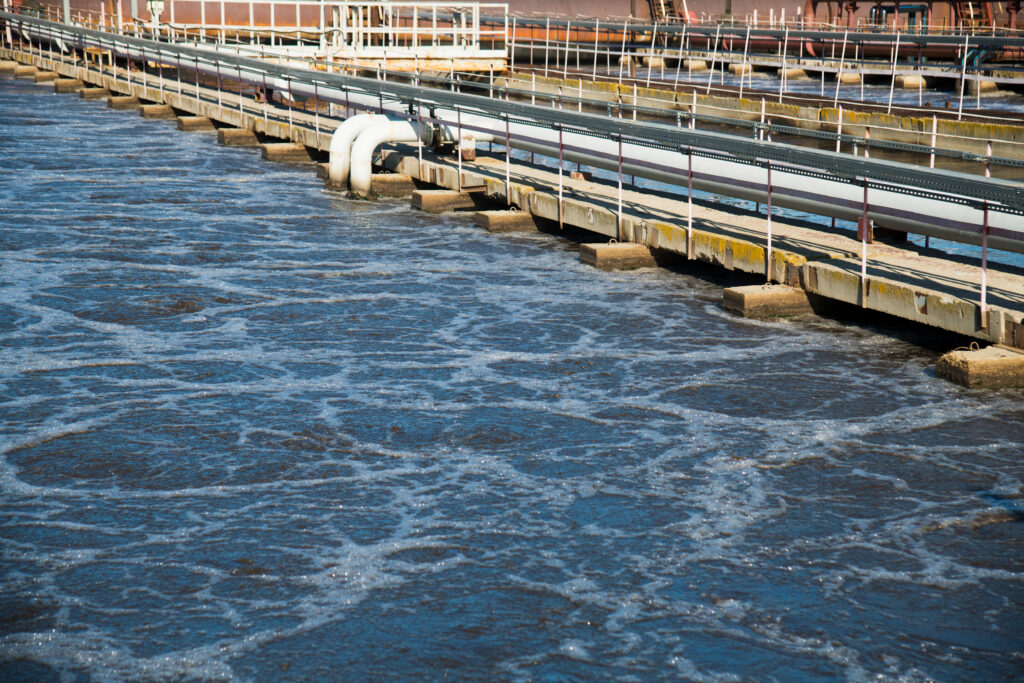
Wastewater treatment plays an important role in protecting public health, preserving the environment and sustainable water management. Every day, households and businesses produce large volumes of wastewater and sewage sludge that must be properly treated before being released back into the environment.
During the sewage treatment process, a by-product known as wastewater sludge is produced. Understanding what wastewater is, what sludge is and how wastewater treatment works helps highlight the importance of modern treatment infrastructure.
What Is Wastewater?
Wastewater is any water that has been contaminated by human activities and is no longer suitable for immediate reuse without treatment. It typically contains a mixture of organic matter, chemicals, microorganisms and suspended solids. Wastewater is generated in many everyday situations, including:
- Domestic activities such as washing, cooking, bathing and flushing toilets
- Industrial processes and manufacturing operations
- Agricultural land activities and animal farming
- Stormwater runoff from urban areas
When wastewater enters sewer systems or drainage networks, it is transported to wastewater treatment plants. Here, contaminants are removed before the water is discharged into rivers, lakes, or the sea. Without effective treatment, wastewater can cause serious environmental damage by polluting waterways and spreading harmful pathogens.
Types of Wastewater
Wastewater is generally categorised into several main types depending on its source and composition.
1. Domestic Wastewater
Domestic wastewater comes from homes and residential buildings. It includes water from sinks, showers, washing machines and toilets. This type of wastewater typically contains organic matter, food waste, soap and detergents, human waste, and microorganisms. Domestic wastewater is the most common type processed by wastewater treatment plants.
2. Industrial Wastewater
Industrial wastewater is generated by manufacturing, processing and industrial facilities. Depending on the industry, it may contain PFAS (per- and polyfluoroalkyl substances) often referred to as forever chemicals, heavy metals, oils, suspended solids, and high concentrations of organic pollutants. Industrial wastewater often requires specialised pre-treatment before entering a wastewater treatment plant.
3. Agricultural Wastewater
Agricultural wastewater originates from farming activities such as irrigation and livestock operations. It may include fertilisers, pesticides, animal waste and organic material. If untreated, agricultural wastewater can contribute to nutrient pollution in rivers and lakes.
4. Stormwater Runoff
Stormwater runoff occurs when rainwater flows over roads, roofs and urban surfaces. During this process, the surface runoff can collect oil and fuel residues, heavy metals, debris and sediments. In many areas, stormwater systems connect to wastewater infrastructure.
What Is Sludge?
During the treatment of wastewater, solids are separated from the liquid stream. The semi-solid material that remains is called sludge. Sludge is a mixture of organic matter, microorganisms, nutrients and inorganic particles removed from wastewater during treatment processes. In wastewater treatment plants, sludge is typically classified into several categories depending on where it is generated.
Primary Sludge
Primary sludge forms during the initial sedimentation stage of treatment. Heavier solids settle at the bottom of sedimentation tanks and are removed as sludge. This sludge generally contains organic solids, grit and debris, grease and oils. Primary sludge is usually thick and contains a high concentration of settleable solids.
Secondary Sludge or Biological Sludge
Secondary sludge is produced during biological treatment processes where microorganisms break down organic pollutants. This sludge mainly consists of microbial biomass and organic material created during the treatment process.
Tertiary or Chemical Sludge
In some systems, chemical or tertiary sludge is produced during advanced treatment, particularly where chemicals are used to remove nutrients such as phosphorus. In many wastewater treatment plants, these sludge streams are combined before further processing and disposal.
Wastewater treatment plants often rely on chemical storage tanks to safely store acids, alkalis and treatment chemicals used during pH adjustment and nutrient removal.
What Is Wastewater Sludge?
Wastewater sludge refers to the solid or semi-solid residue produced as a by-product of wastewater treatment. It can vary widely in composition depending on the source of the wastewater, the treatment processes used and the level of treatment applied.
Typically, sludge begins as a dilute suspension containing less than 1% solids and is then thickened, stabilised and dewatered to create a more manageable material.
Before disposal or reuse, sludge is usually treated to:
- Reduce its volume
- Destroy pathogens
- Stabilise organic material
- Minimise odour and environmental risks
What Is Wastewater Treatment?
Wastewater treatment is the process of removing contaminants from wastewater so that the water can be safely discharged into the environment or reused. Treatment systems use a combination of physical, biological and chemical processes to remove pollutants and protect natural water systems.
1. Preliminary Treatment
The first stage removes large debris and solids from incoming wastewater. Processes typically include screening to remove large objects, grit removal and flow equalisation. This stage prevents damage to equipment and prepares the water for further treatment.
2. Primary Treatment
During primary treatment, wastewater is held in large sedimentation storage tanks where heavier solids sink to the bottom. This step removes a significant portion of suspended solids and produces primary sludge.
3. Secondary or Biological Treatment
Secondary treatment uses microorganisms to break down organic pollutants dissolved in the water. Common biological processes include activated sludge systems, bio-filters and aeration tanks. Microorganisms consume organic material, converting it into biomass and carbon dioxide.
4. Tertiary Treatment
Tertiary treatment is an advanced stage designed to further improve water quality. This may include filtration, nutrient removal, chemical treatment and disinfection. After this stage, the treated water can often be safely released into natural waterways or reused.
What Is the Purpose of Wastewater Treatment?
The primary purpose of wastewater treatment is to protect human health and the environment. Untreated wastewater can contain harmful pathogens, chemicals, hazardous materials and pollutants that contaminate water supplies and ecosystems.
Wastewater treatment aims to protect public health as the treatment removes disease-causing bacteria, viruses and parasites that can spread through contaminated water. It prevents environmental pollution by stopping the discharge of untreated wastewater and ocean dumping. Treated wastewater can be reused for irrigation, industrial processes, plant nutrients and other non-drinking purposes.
Sludge Uses and Resource Recovery
Although sludge is often considered waste, it can also be a valuable resource when properly treated. Treated sludge, also known as biosolids, can be used as agricultural fertiliser. Sludge contains nutrients such as nitrogen and phosphorus, which can improve soil fertility. In many regions, treated biosolids are applied to farmland to support crop growth. Stabilised sludge can be blended with organic materials to create compost for landscaping and soil improvement.
Through processes such as anaerobic digestion, microorganisms break down organic matter in sludge and produce methane-rich biogas. This renewable energy source can be used to power wastewater treatment facilities.
The Future of Wastewater Treatment
As populations grow and environmental regulations become stricter, wastewater treatment technologies continue to evolve. Emerging trends in the industry include:
- Smart monitoring and automation
- Improved sludge processing technologies
- Energy-positive treatment plants
- Water recycling and reuse systems
Modern infrastructure plays a key role in ensuring that wastewater is managed safely and sustainably.
Importance and Uses of Wastewater Sludge
Understanding what wastewater is, what sludge is and how wastewater treatment works highlights the importance of proper water management. Wastewater treatment systems remove harmful contaminants, protect ecosystems and allow valuable resources to be recovered from waste streams. Meanwhile, the treatment and reuse of wastewater sludge offers opportunities to produce fertiliser, energy and other useful materials.
As demand for sustainable water solutions continues to grow, effective wastewater monitoring and sludge management will remain essential to protecting both the environment and public health.
Adding monitoring systems, such as bund breach alarms, can help operators detect leaks in sewage systems and prevent environmental incidents. These systems are an important safety addition to treatment areas.