
Polypropylene and Dry Charging Batteries … what to do when the Engineer says ‘no’!
Hello, I’m Ed and I design large plastics structures, mainly using a method called cut and weld plastics fabrication.
This involves sawing large plastic sheets and forming cylinders or plates, and then welding them together using heat and pressure, sometimes with additional filler rod.
However, not all plastics can be welded. In the UK, uPVC was first used this way in 1959, followed by polyethylene (PE). In the 1950s, there was limited PE pipe and fittings, and it was mostly used for laboratory waste systems.
Then, in the mid 1960s, a new wonder plastic arrived: polypropylene (PP). It was a big deal at the time because it could handle boiling water and be sterilised, which made it a big selling point for things like baby bottles and medical equipment.
Around the same time, car batteries were made using Vulcanite (a very hard rubber) cases and filled with lead plates and sulphuric acid. Someone had the idea of switching to injection-moulded polypropylene instead, which worked brilliantly and is how many battery cases are made to this day. Vulcanite is still used today but is mainly used for stems of smoking pipes.
That same period saw the invention of “dry charging” for new car batteries. Dry batteries (without acid) were placed on steel trays coated in polypropylene and loaded into four charging towers. Each tower held about a hundred batteries. These towers were also fabricated in Polypropylene, produced in a bespoke baby blue colour with matching weld rod.
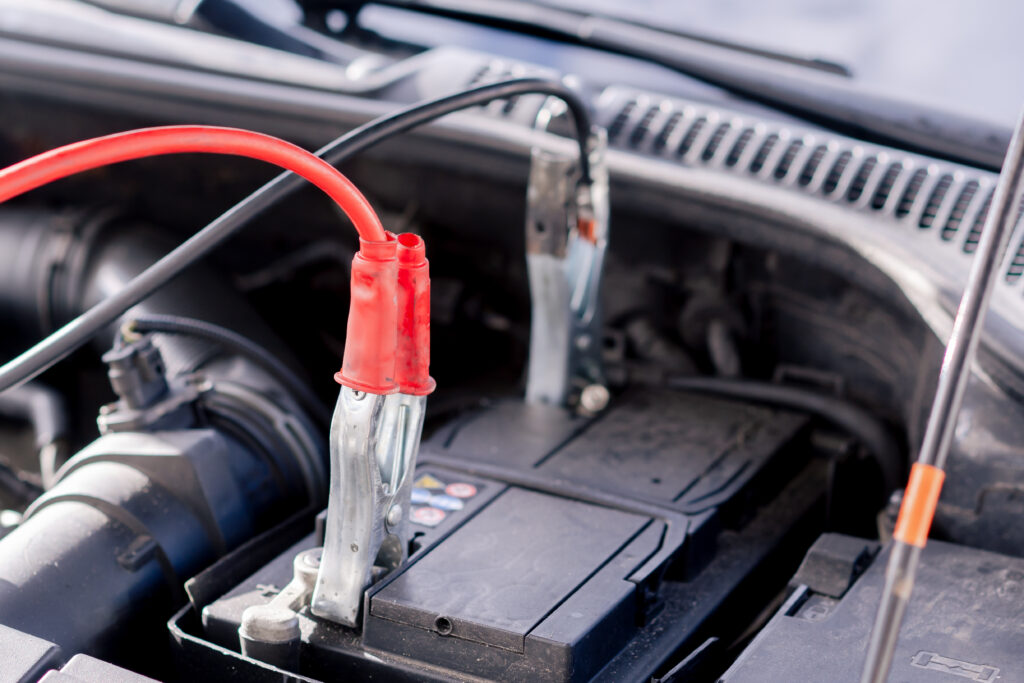
However, during the design and testing stage, a concern was raised. The client was reminded of the flammability of polypropylene; as battery charging tended to produce sparks from the many clip-on connectors, was this really a good idea? The team were assured that a serious spark was “not possible” … until a few weeks later, when the “impossible” happened. A major short to earth (a huge spark) caused a fire, the charging towers melted into a large puddle of baby blue plastic and battery plates and the building roof was lost!
The lesson? Design is about understanding how equipment will be used, asking the right questions, obtaining answers and listening when engineers raise concerns.
Next time, we’ll discuss the importance of tank vents.
Ed Clymer CEng FIM has been a consultant, designer, specifier and inspector of corrosion resistant plant and equipment since 1973. He has provided expert opinion to industrial bulk liquid plastic storage tank manufacturer Niplast for over 30 years.
For more information, contact us on info@niplast.com